Isleta El Paraíso
Las Isletas de Granada, Lake Nicaragua · 1 acres · Information upon request
About This Island
Roughly twenty-three thousand years ago, the northeast flank of the Mombacho volcano collapsed and slid, in a single catastrophic afternoon, into the lake at its feet. The debris travelled twelve kilometres before it stopped. When it did, the higher points of the avalanche remained above water as 365 small green hummocks, each one a former piece of the volcano's slope.
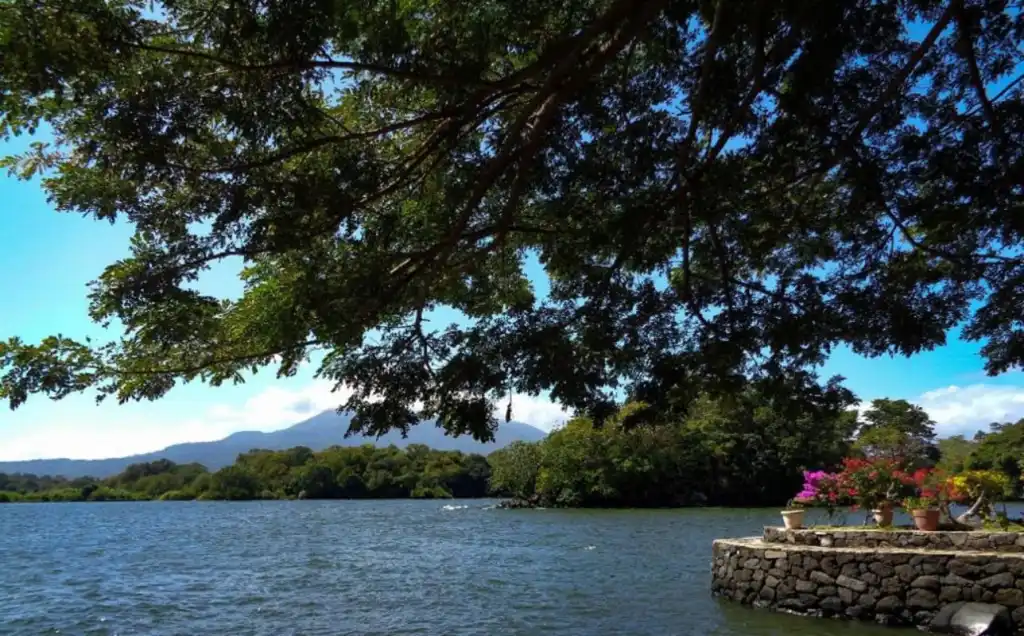
This is Las Isletas de Granada. The archipelago is among the most distinctive in the world, geologically speaking: an entire island chain that was once the side of a single mountain. The mountain itself, still active enough to vent sulfur from its summit fumaroles, looks down on the islets today from across the water. The colonial city of Granada, founded by the Spanish in 1524 and the oldest continuously inhabited European-founded settlement in mainland America, sits twenty minutes from the islets by boat.
Isleta El Paraíso, the paradise, is one of those 365 islets, available now.
The Property
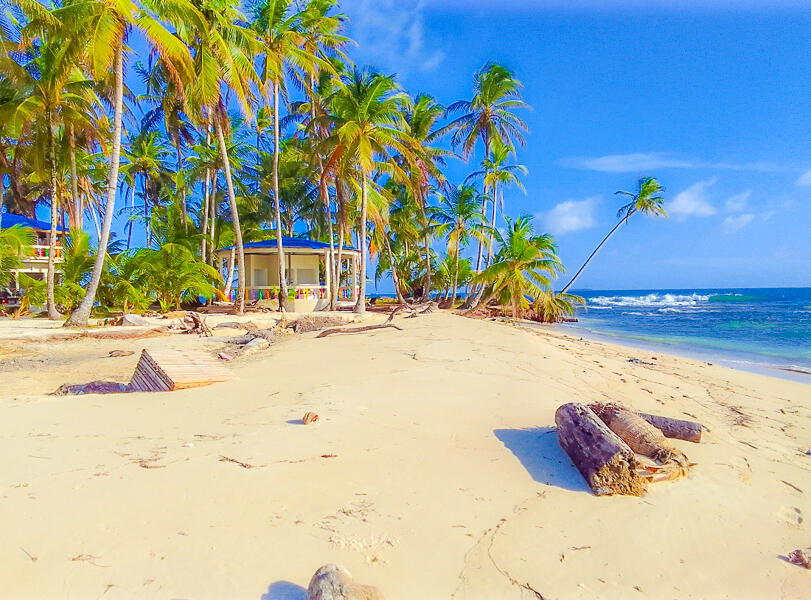
Approximately one acre of palm-shaded, lake-fringed Nicaraguan island, dressed in native flora and decorative gardens that have been thoughtfully integrated into the island's tropical character.
The improvements include:
- Two bungalows, comprising three bedrooms in total across both
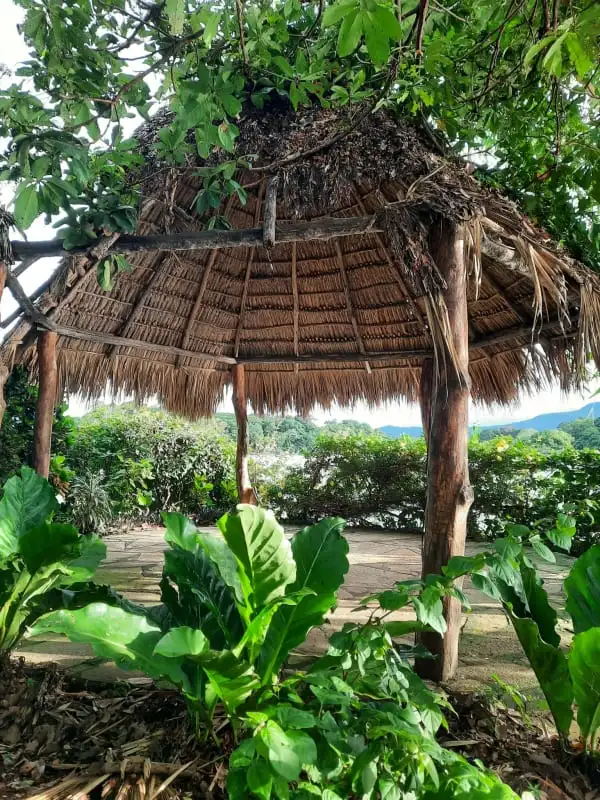
- A ranch-style outdoor pavilion, suitable for dining, gathering, and the kind of long lake-front afternoon the islets are built for
- A separate caretaker's house for resident on-island staff
- Piped electrical service to the island
- A large water storage tank for freshwater supply
- All furnishings included with the sale
The arrangement is small but complete. A family can occupy the island as a primary or secondary residence with the existing infrastructure, and the caretaker's quarters allow year-round maintenance whether the owners are in residence or abroad.
The Setting
Las Isletas de Granada is the rare private-island archipelago where the islands are a normal part of regional life rather than an isolated luxury enclave. The islets host a community of around 1,200 residents, including local Nicaraguan families, expatriates from the Americas and Europe, several boutique ecolodges and restaurants, a 16th-century Spanish fort, and even a small lakeshore school. Boats move between the islets the way cars move along a street in a small town. The everyday rhythm is gentle, neighbourly, and characteristically Nicaraguan.
What makes the position remarkable is the backdrop.
Mombacho Volcano rises 1,344 metres directly behind the archipelago, cloaked in cloud forest at its summit and protected as the Mombacho Volcano Nature Reserve. The reserve protects 457 plant species, 87 species of orchid, 186 bird species, and several creatures found nowhere else on earth, including the endemic Mombacho salamander and the Mombacho butterfly. Day hikes from Granada lead through the cloud forest to vantage points overlooking the islets and the lake.
Lake Nicaragua (Lago Cocibolca) is the largest lake in Central America, 8,264 square kilometres of fresh water, with Ometepe Island and its twin volcanoes visible on the horizon on clear days. The lake is one of only a small handful in the world that historically supported a freshwater shark population.
Granada, the colonial city, lies twenty minutes north by boat. The streets are cobblestoned, the cathedral pink, the architecture restored, and the restaurant scene one of the most refined in Central America. Cafés in colonial courtyards. Galleries in former merchant houses. A daily market that has been operating since before American independence.
Masaya Volcano, an active basaltic shield with a permanently glowing lava lake at the bottom of its main crater, lies 30 minutes inland. Night tours descend to the crater rim while the lava is visible.
Managua International Airport is approximately 45 minutes from Granada by car, with direct flights from Miami, Houston, Atlanta, Fort Lauderdale, Panama City, San José, Mexico City, and Madrid.
A Day, In Sketch
Mornings on the islets begin with mist rising off the lake and the call of howler monkeys from the surrounding islands. Boats from Granada cross the water to the city's markets and back. Egrets and herons stalk the shallow water at the island's edge. Pelicans and cormorants wheel overhead. A family of mantled howler monkeys lives a few islets across.
Breakfast on the ranch pavilion. Coffee, fresh fruit, gallo pinto if the resident cook is preparing it. The lake mirror-flat in the early hours, the silhouette of Mombacho beginning to take shape as the cloud burns off.
The day is whatever the owners choose. A boat into Granada for lunch in a colonial courtyard. A hike up Mombacho's cloud forest trails. A kayak through the maze of channels between the neighbouring islets. A book in a hammock on a small private beach.
Late afternoon, the light over the water turns gold, and the volcano's profile darkens against the western sky. Dinner can be on the island or in Granada. The boat ride home in the dark, with the lights of the colonial city behind you and the silent dark of the lake ahead, is one of the experiences Las Isletas residents tend to mention first when describing why they live here.
The Position for the Next Owner
This is the entry tier of the private-island market and is priced accordingly. A one-acre Nicaraguan island with two bungalows, a caretaker's residence, full utilities, and the geographic and cultural assets of the Granada region attached to it is one of the more accessible ways to acquire a freehold tropical island anywhere in the world.
The property is suitable as:
- A primary residence for a buyer relocating to or retiring in Nicaragua's most established expatriate region
- A part-time or seasonal residence for a buyer based in North America or Europe, with the caretaker maintaining the property during absences
- A boutique vacation rental, with two bungalows and the ranch pavilion already configured for hosting guests
- A small ecolodge expansion integrated with the existing tourism infrastructure of Las Isletas
Nicaragua welcomes foreign buyers under straightforward property law, with no nationality restrictions on private residential real estate ownership outside the autonomous coastal regions. A licensed Nicaraguan notary handles transfer, and a local property lawyer is recommended for any cross-border transaction.
Access
- From Managua's Augusto C. Sandino International Airport: approximately 45 minutes by car to Granada
- From Granada to Las Isletas: approximately 15 to 20 minutes by panga (small motorboat) from Puerto Asese or one of the other lakefront marinas
- From the islets boat docks to Isleta El Paraíso: a short final crossing among the channels of the archipelago
A buyer arriving in Managua in the morning is on the island by lunch.
Las Isletas de Granada was a single volcano's slope before it became 365 islands. Now one of those islands, with two bungalows and an acre of palm shade and a view of where the original mountain stands, is for sale.
Everything You Need To Know
Nicaragua
Detailed jurisdiction data for Nicaragua coming soon. Browse our buying guides for general information.